How to Protect Your Scuba Gear from Saltwater Damage
Posted by Philip DePalo on
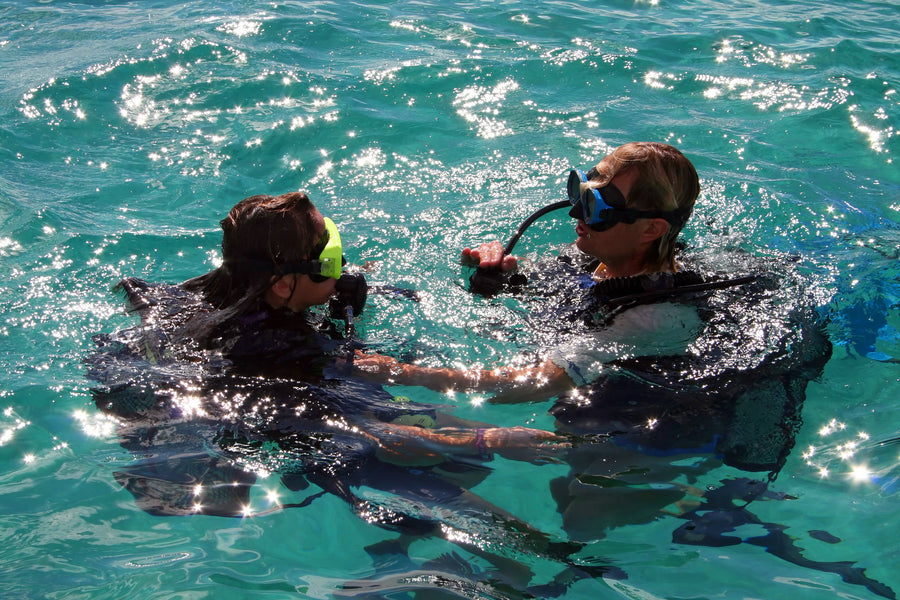
Saltwater diving offers incredible underwater experiences, but it is also one of the fastest ways to shorten the lifespan of scuba equipment if proper care is not taken. Salt crystals, moisture, and minerals can quietly damage regulators, BCDs, wetsuits, dive computers, and accessories over time. Even high-quality scuba gear can suffer corrosion, stiffness, leaks, and performance issues when saltwater residue is allowed to build up.
Protecting your scuba gear from saltwater damage does not require expensive tools or complicated routines. It requires consistency, proper handling, and understanding how saltwater affects different materials. Whether you dive occasionally on vacation or regularly in coastal waters, developing good post-dive habits helps protect your investment and keeps your gear reliable and safe.
This guide explains how saltwater damages scuba equipment, what to do after every dive, and how to store and maintain gear long term.
Why Saltwater Is So Damaging to Scuba Equipment
Saltwater contains dissolved salts and minerals that remain behind when water evaporates. These residues attract moisture from the air, which accelerates corrosion and material breakdown. Over time, salt exposure can cause metal parts to corrode, rubber seals to dry out, and moving components to stiffen or seize. Some materials are more vulnerable than others. Metal fittings, regulator components, tank valves, zippers, and buckles are especially at risk. Neoprene and fabric components can become stiff, brittle, or smelly when salt and moisture remain trapped. Understanding this process highlights why immediate cleaning and proper drying are essential after every dive.
Rinse Scuba Gear Thoroughly After Every Dive
The most important step in preventing saltwater damage is rinsing your scuba gear as soon as possible after diving. This should be done even if the gear looks clean or was only briefly submerged.
Use fresh water that is cool or lukewarm. Hot water can weaken adhesives, seals, and protective coatings.
Items that should always be rinsed include:
- Regulators and hoses
- Buoyancy control devices
- Wetsuits, gloves, boots, and hoods
- Masks, fins, snorkels, and accessories
- Dive computers and gauges
Pay special attention to seams, inflator mechanisms, buckles, and joints where salt can collect.
How to Rinse Regulators Correctly
Regulators require careful handling during rinsing to avoid internal water intrusion.
Before rinsing:
- Make sure the dust cap is securely in place on the first stage
- Ensure the dust cap is dry before sealing
When rinsing:
- Submerge the regulator in fresh water
- Gently swish to loosen salt residue
- Press purge buttons only while submerged
- Avoid forcing water into hoses or openings
Never rinse a regulator under strong running water with the dust cap off. This can introduce moisture into sensitive internal components.
Cleaning and Flushing BCDs
Buoyancy control devices trap saltwater both externally and internally. Rinsing only the outside is not enough.
After rinsing the exterior, flush the inside of the bladder using fresh water through the oral inflator. Swish the water around, then drain completely. Repeat if necessary.
For BCD care:
- Inflate slightly while rinsing to expose seams
- Drain all water after flushing
- Allow internal air circulation during drying
This process helps prevent internal salt buildup and unpleasant odors.
Caring for Wetsuits and Soft Gear
Neoprene gear absorbs saltwater and needs thorough rinsing to maintain flexibility and comfort. Rinse wetsuits, gloves, and boots inside and out. Turn them inside out to remove salt trapped against the inner lining. Occasional soaking helps dissolve residue trapped in seams.
Using a wetsuit-specific cleaning solution periodically can help:
- Remove salt residue
- Prevent stiffness
- Reduce odor and microbial growth
- Maintain neoprene flexibility and insulation
- Extend the overall lifespan of the wetsuit
- Improve comfort against the skin during dives
Avoid household detergents, which can damage neoprene and shorten its lifespan.
Rinse and Maintain Dive Computers and Instruments
Dive computers, gauges, and compasses contain seals and buttons that are sensitive to salt buildup.
After diving:
- Rinse devices in fresh water
- Gently press buttons while submerged
- Allow water to flush under seals
Dry thoroughly before storage. Avoid exposing electronics to heat or direct sunlight during drying.
Soak Gear Periodically for Deep Cleaning
Even with regular rinsing, salt can remain trapped in crevices and internal channels. Periodic soaking helps remove stubborn residue.
Soaking is especially helpful for:
- Regulators and hoses
- BCD inflators and valves
- Zippers and buckles
- Masks and fins
Soak gear in clean fresh water for 20 to 30 minutes. Agitate gently and avoid using soap unless it is specifically designed for scuba equipment.
Dry Scuba Gear Completely Before Storage
Storing damp gear is a major cause of long-term damage. Moisture combined with salt accelerates corrosion and promotes mold and mildew growth. Dry gear in a shaded, well-ventilated area. Avoid direct sunlight, which can degrade neoprene, fade fabrics, and weaken plastics. Hang wetsuits on wide hangers, partially inflate BCDs to help internal drying, and lay hoses naturally without sharp bends. Allow regulators to air dry without heat, and never store gear while it is still damp.
Store Gear in the Right Environment
Proper storage protects scuba gear between dive trips and seasons.
Ideal storage conditions include:
- Cool temperatures
- Low humidity
- Good airflow
- Protection from sunlight
Use breathable gear bags instead of airtight containers. Avoid compressing neoprene gear or stacking heavy objects on top of equipment.
Regulators and computers benefit from padded cases that protect them from physical damage during storage and transport.
Preventing Corrosion on Metal Components
Metal parts require extra attention in saltwater environments. Even corrosion resistant materials can degrade over time. After rinsing, dry metal components thoroughly, inspect for discoloration or stiffness, and address early signs of corrosion promptly. Do not apply household oils or lubricants. Use only manufacturer approved products designed for scuba equipment.
Follow Manufacturer Service Schedules
Routine professional servicing is essential for regulators and buoyancy control devices. Saltwater exposure affects internal parts that cannot be accessed during home cleaning.
Follow recommended service intervals and do not skip maintenance, even if gear appears to function normally. Regular servicing improves safety and extends equipment life.
Travel and Boat Diving Considerations
Boat rinse tanks are helpful but not sufficient on their own. These tanks often contain salt, sand, and contaminants from repeated use. Use boat rinse tanks as a first step only. Once back on land, perform a full freshwater rinse or soak whenever possible.
For dive travel:
- Pack a collapsible rinse container
- Bring microfiber towels for drying
- Use ventilated gear bags
- Prioritize daily rinsing on multi-day trips
Choosing Salt Resistant Scuba Gear
Preventing saltwater damage begins with smart purchasing decisions. High quality scuba gear made from durable materials withstands salt exposure better and lasts longer.
Look for features such as corrosion resistant metals, reinforced hoses, quality neoprene, and sealed electronics. Shopping with a trusted online scuba gear retailer like Eastern Sports ensures access to equipment designed for long-term performance in saltwater conditions.
Protect Your Investment and Your Safety
Scuba gear is both an investment and a critical safety system. Saltwater damage can compromise performance long before visible failure occurs.
By rinsing thoroughly, soaking periodically, drying completely, storing properly, and maintaining equipment regularly, divers can significantly extend the life of their gear and dive with confidence.
Eastern Sports offers scuba gear, maintenance accessories, and storage solutions that support proper care and long-term reliability. Protecting your equipment ensures it is ready whenever your next dive adventure begins. Contact us today.