The Essential Pre-Dive Gear Check: Your Complete Scuba Diving Equipment Checklist
Posted by Philip DePalo on
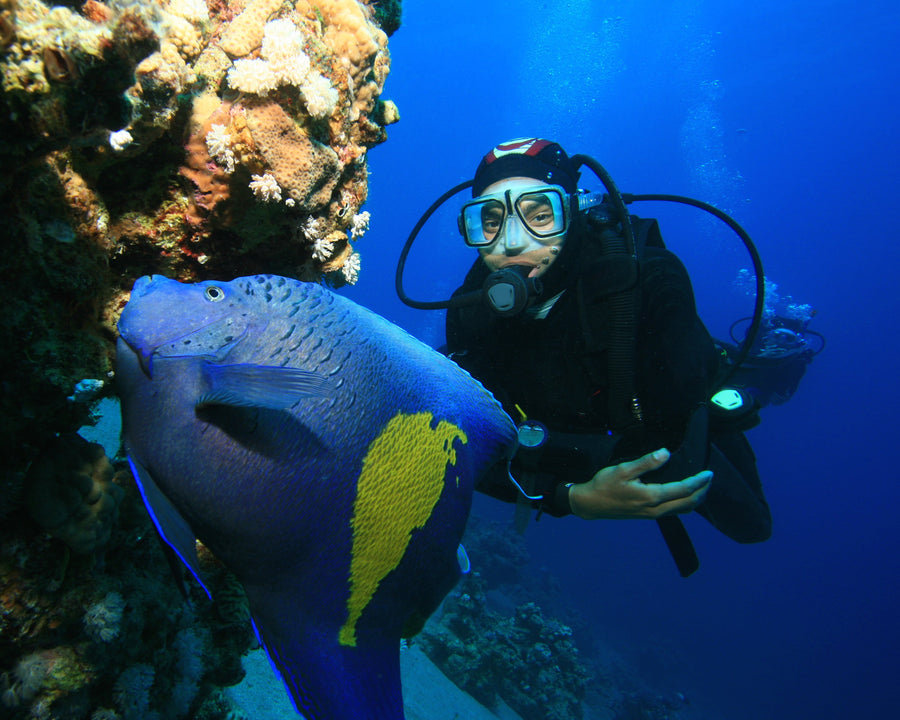
Scuba diving offers a rare opportunity to explore underwater environments, encounter marine life, and experience the ocean in a way few people ever will. However, a safe and successful dive begins long before you enter the water. One of the most important steps every diver should take is performing a thorough scuba gear check before every dive trip.
Whether you are preparing for a tropical vacation dive, a weekend boat excursion, or a local shore dive, making sure your equipment is functioning properly can prevent serious problems underwater. Small oversights, like a loose regulator hose, an empty tank, or a missing O-ring, can turn an exciting dive into a dangerous situation. Read on to learn more.
Why Pre-Dive Gear Checks Are Critical for Scuba Divers
Experienced divers often repeat a simple rule: never assume your gear is ready;always check it yourself. Even if your equipment worked perfectly on your last dive, conditions such as transportation, storage, temperature changes, or normal wear can cause problems. A thorough scuba equipment inspection helps you:
- Prevent equipment failure underwater
- Identify worn or damaged components before they break
- Ensure tanks and regulators are functioning properly
- Confirm safety equipment is accessible and working
- Avoid last-minute issues on the dive boat or at the shore
Professional dive instructors emphasize that most equipment failures could have been prevented with a proper pre-dive gear check.
For divers traveling to remote dive destinations, performing these checks is even more important. Replacement parts or professional repairs may not be available once you reach your dive site.
When to Perform Your Scuba Gear Check
A full gear inspection should happen before every scuba trip, not just before entering the water.
Ideally, you should check your equipment in three stages:
1. At Home Before Packing
Inspect all gear and ensure nothing is missing.
2. At the Dive Site or Boat
Assemble your equipment and perform a full operational check.
3. During Your Buddy Check
Confirm everything is functioning properly with your dive partner.
Many experienced divers use a printed scuba gear checklist to avoid forgetting anything.
Complete Scuba Diving Gear Checklist
Below is a comprehensive scuba gear checklist that divers can use before every trip. This list includes both equipment inspection and packing reminders.
Core Life-Support Equipment
These components are the most critical pieces of your diving system.
Before your dive, inspect the following:
- Regulator (primary and alternate air source)
- First stage regulator connections
- Pressure gauge (SPG)
- Inflator hose for BCD
- Tank O-rings
- Scuba cylinder pressure levels
- Air valve operation
Test breathing through both regulators and confirm the airflow is smooth and unrestricted. If you hear hissing, bubbling, or inconsistent airflow, your regulator should be serviced before diving.
Buoyancy Control Device (BCD)
Your BCD controls buoyancy and helps you stay stable underwater, making it one of the most important pieces of dive gear.
During your gear check:
- Inflate the BCD fully to check for leaks
- Inspect inflator and deflator valves
- Confirm dump valves release air properly
- Check straps and buckles for wear
- Ensure integrated weight pockets lock securely
A slow leak may not seem serious on land, but underwater it can cause major buoyancy issues.
Dive Computer or Gauges
Dive computers and gauges provide critical information about your dive.
Before your trip:
- Check dive computer battery level
- Confirm display is functioning clearly
- Reset or verify dive settings
- Inspect wrist straps or console mounts
If you use a backup analog gauge system, verify the depth gauge and pressure gauge are functioning correctly.
Many divers also carry a backup dive computer as a safety precaution.
Scuba Mask
A properly functioning scuba mask ensures you can see clearly underwater.
Check for:
- Cracks in the mask frame
- Worn or torn silicone skirt
- Secure strap attachment
- Clear lenses
Make sure your mask seals comfortably against your face without leaking.
Anti-fog treatment or defog solution should also be packed before your dive trip.
Fins and Straps
Fins allow efficient movement underwater and help conserve energy.
Before diving, inspect:
- Fin straps or spring straps
- Buckles and clips
- Blade integrity
- Foot pockets for cracks or wear
Damaged fin straps are one of the most common gear failures divers experience.
Many divers carry spare fin straps in their dive kit.
Exposure Protection
Your exposure suit protects you from cold water, sun exposure, and marine life.
Depending on the dive environment, you may use:
Check for:
- Tears in neoprene
- Zipper function
- Seam integrity
A damaged wetsuit can lead to rapid heat loss in colder water.
Essential Safety Equipment
While not always required, these safety tools are strongly recommended for all divers.
Surface Marker Buoy (SMB)
A surface marker buoy helps boats and dive operators locate you when surfacing.
Inspect:
- Inflation valve
- Spool or reel line
- Attachment clips
Dive Knife or Cutting Tool
Cutting tools allow divers to free themselves from fishing lines, nets, or debris.
Check:
- Blade condition
- Secure sheath attachment
Dive Light
If diving in low visibility or deeper water, a dive light is essential.
Before your dive:
- Charge or replace batteries
- Check O-ring seals
- Test brightness levels
Audible Signaling Device
Many divers carry a whistle or air horn to signal boats or other divers on the surface.
Packing Checklist for Scuba Trips
A gear inspection also includes making sure you pack everything needed for your dive trip.
Common items divers forget include:
- Mask defog solution
- Spare O-rings
- Save-a-dive kit
- Logbook
- Certification cards
- Towel and dry clothes
- Sunscreen safe for reefs
- Water and snacks
A save-a-dive kit typically includes spare parts like:
- Mouthpieces
- Zip ties
- O-rings
- Fin straps
- Mask straps
These small components can prevent an entire dive from being canceled.
How to Perform a Buddy Gear Check
Even if you carefully inspect your own equipment, a buddy check before entering the water is essential.
Many divers follow the well-known BWRAF method, which stands for:
- B – BCD: Confirm inflation and deflation work properly
- W – Weights: Ensure weights are secure but releasable
- R – Releases: Check all clips, straps, and buckles
- A – Air: Confirm tank valve is open and regulators function
- F – Final Check: Verify masks, fins, and accessories
A buddy check provides a second set of eyes to catch anything you may have missed.
How Often Should Scuba Equipment Be Serviced?
In addition to routine pre-dive inspections, scuba equipment should undergo regular professional servicing.
Typical recommendations include:
- Regulators: annually or every 100 dives
- BCD: annual inspection
- Dive computers: battery replacement as needed
- Tanks: annual visual inspection and hydrostatic testing every 5 years (depending on regulations)
Regular maintenance ensures your equipment continues to perform safely and reliably.
Common Scuba Gear Problems to Watch For
During gear checks, watch for these common issues:
- Regulator free-flow
- Leaking hoses
- Cracked mask skirts
- BCD slow leaks
- Corroded tank valves
- Frayed straps or buckles
Identifying these problems early allows you to repair or replace equipment before your dive trip begins. Dive shops that sell scuba gear often provide replacement parts and servicing, making it easy to keep equipment in peak condition.
Why Quality Scuba Gear Matters
While performing gear checks is important, the quality of your equipment also plays a major role in dive safety. High-quality scuba equipment typically offers greater durability, better reliability under pressure, and improved comfort. Divers who invest in trusted brands and maintain their gear properly often experience fewer equipment failures. Working with a reputable scuba gear retailer or dive shop ensures you have access to professional advice, certified equipment servicing, and replacement components when needed.
In Conclusion
Scuba diving is an incredible experience, but it requires preparation and attention to detail. A thorough scuba gear check before every dive trip helps protect your safety and ensures your equipment performs exactly as expected underwater.
By using a consistent dive gear checklist, you can avoid common mistakes, reduce stress during trip preparation, and focus on what matters most: enjoying your dive. Before your next dive adventure, take a few minutes to inspect your equipment carefully and confirm everything is ready. Your future underwater experiences will be safer, smoother, and far more enjoyable.
Contact us to learn more or browse our online selection of scuba gear, and download this handy infographic to help you remember what you need for your next scuba trip!
