How to Pack a Dry Bag for a Kayaking or Paddleboarding Trip
Posted by Philip DePalo on
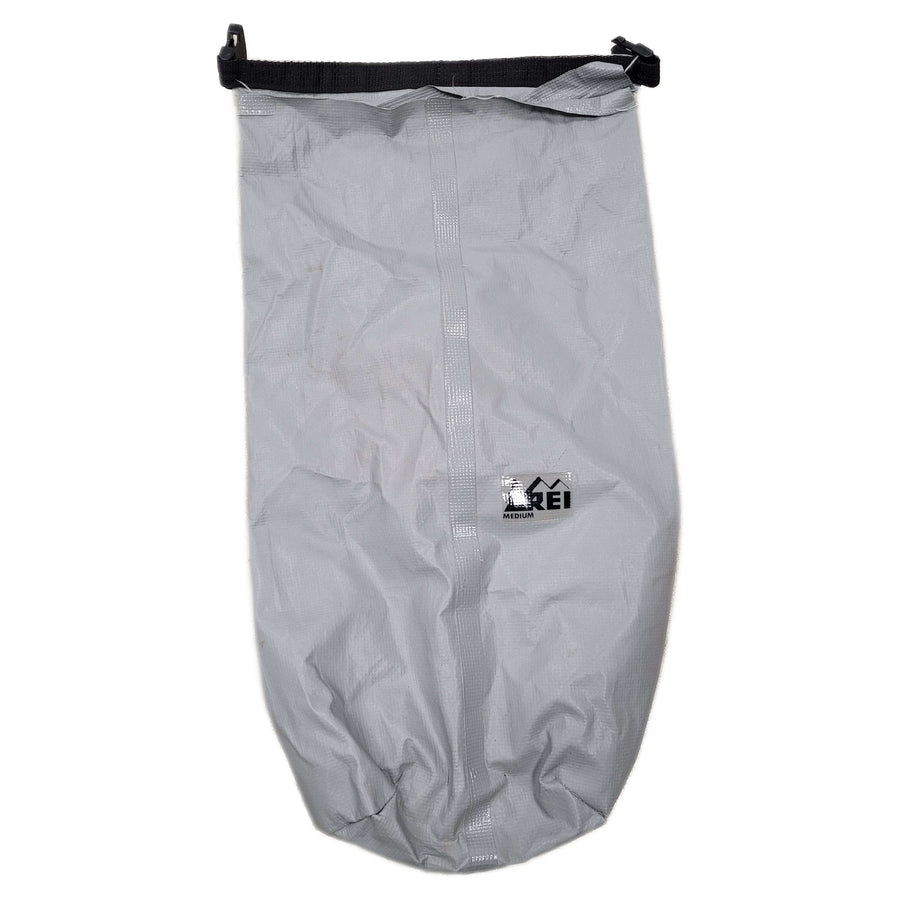
A dry bag is one of those pieces of gear you don’t think much about, until you pack it wrong and end up with a soaked phone, soggy snacks, or damp clothes miles from shore. Whether you’re heading out for a quick paddle or a full-day adventure, knowing how to properly pack a dry bag can make or break your time on the water.
The good news? Packing a dry bag doesn’t have to be complicated. With a little planning and a smart layout, you can keep your gear dry, accessible, and easy to manage while kayaking or paddleboarding.
Start With the Right Size Dry Bag
Before you even start packing, make sure you’re using the right size dry bag for your trip. A small bag works well for short paddles when you only need the basics, while longer trips usually call for something larger.
As a general rule:
- 5–10 liter bags are great for phones, wallets, and keys
- 10–20 liter bags work well for half-day trips
- 20+ liter bags are better for full-day paddles or changing clothes
Overstuffing a dry bag makes it harder to seal properly and harder to secure to your board or kayak.
Pack Items in Order of Importance
One of the most common mistakes paddlers make is tossing everything into a dry bag at random. Instead, think about what you’ll need first and what can stay buried.
Start by placing items you won’t need until the end of the trip, like extra clothes, at the bottom. Things you may want access to on the water, such as snacks or sunscreen, should sit closer to the top.
This simple approach saves time and keeps you from constantly unpacking and repacking mid-paddle.
Use Smaller Dry Pouches Inside Your Dry Bag
Even inside a dry bag, organization matters. Using smaller dry pouches or zip bags helps separate items and adds an extra layer of protection.
For example:
- Electronics in one pouch
- Food in another
- First aid or safety items in their own section
This makes it easier to find what you need quickly and keeps everything from shifting around while you paddle.
Push Out Excess Air Before Sealing
A dry bag seals best when it’s rolled properly, and that means getting rid of extra air first. Once everything is inside, gently press down to push out excess air before rolling the top.
Roll the closure at least three times to create a tight seal, then clip it closed. A well-sealed dry bag should feel compact and slightly firm, not ballooned or floppy.
Keep Frequently Used Items Easy to Reach
If you’re kayaking or paddleboarding for more than an hour or two, you’ll likely want access to a few essentials without stopping entirely.
Items worth keeping near the top include:
- Water or hydration packs
- Snacks
- Sunscreen or lip balm
- A lightweight layer
If your board or kayak has deck bungees, secure your dry bag so you can grab it easily without affecting balance.
Secure the Dry Bag to Your Kayak or Paddleboard
A dry bag that isn’t secured can shift, or worse, end up in the water. Always use deck rigging, bungees, or tie-down points to keep it in place.
Position the bag so it doesn’t interfere with paddling or balance. On a paddleboard, that usually means just ahead of your feet. On a kayak, behind the seat or in a rear storage area works well.
Do a Quick Seal Check Before Launching
Before you push off, take a moment to double-check your seal. Make sure the roll is tight, the clip is fully closed, and nothing sharp is pressing against the bag from the inside. That extra 30 seconds can save you a lot of frustration later.
Dry Bag Packing Checklist for Kayaking &Paddleboarding
Use this checklist to make sure you have everything you need — and nothing you don’t — before heading out on the water.
Essentials (Always Pack)
- ☐ Phone (in waterproof case or pouch)
- ☐ Wallet or ID (sealed)
- ☐ Car keys (waterproof or dry pouch)
- ☐ Personal flotation device (PFD)
- ☐ Leash (for paddleboarding)
Safety &Navigation
- ☐ Whistle or signaling device
- ☐ Small first aid kit
- ☐ Emergency contact info
- ☐ Headlamp or small flashlight (for low light conditions)
Comfort &Protection
- ☐ Sunscreen (reef-safe if applicable)
- ☐ Lip balm with SPF
- ☐ Hat or sunglasses with retainer strap
- ☐ Lightweight extra layer or wind shell
Food &Hydration
- ☐ Water bottle or hydration pack
- ☐ Snacks or energy bars
- ☐ Electrolytes (for longer paddles)
Optional but Helpful
- ☐ Dry towel or microfiber cloth
- ☐ Camera or action cam
- ☐ Multi-tool or small knife
- ☐ Repair tape or patch kit
Final Check Before Launch
- ☐ Excess air pushed out
- ☐ Dry bag rolled at least 3 times
- ☐ Clip securely fastened
- ☐ Bag secured to kayak or paddleboard
Gear Up With the Right Dry Bags and Paddle Accessories
Packing a dry bag properly is only half the equation. Having a reliable, well-made dry bag matters just as much. Quality materials, strong seams, and secure closures make a big difference when you’re on the water for hours at a time.
At Eastern Sports, you’ll find durable dry bags, paddleboarding and kayaking accessories, and watersports gear designed to keep your essentials protected and your trip stress-free.
Whether you’re planning a casual lake paddle or a full-day adventure, the right gear helps you focus on the experience not what might be getting wet.
Contact Eastern Sports today to get equipped for your next kayaking or paddleboarding trip.